
Alexander Grabovetskiy, woodcarver, School of Woodcarving · Published 2022
Why do you double-check a line before you carve to it in wood?
Quick answer: Double-checking a line is looking again, with a tool, before the next cut while a mistake can still be fixed. Part 160-2 shows it: a line looked off to me, a check showed one side wrong, and I fixed it with wood to spare.
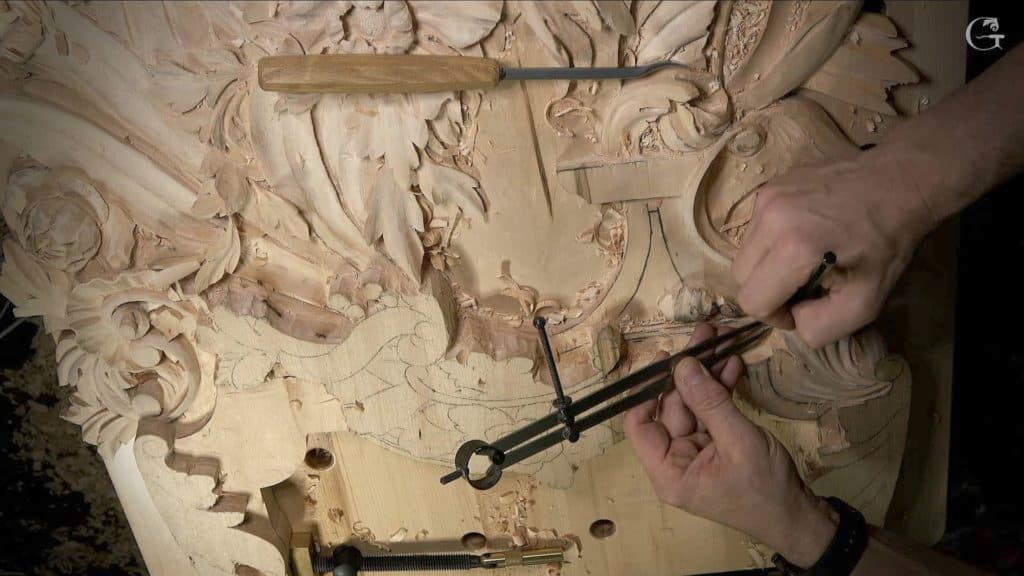
A double-check is a second look at a line, a depth or a level before the next tool touches the wood, while a slip can still be fixed. I say the word all the time on camera. In Venice Room 160, second video, it caught a slip in my molding. A line I had placed looked wrong to me. I checked it, and I was off.
That slip fills only a few minutes of video, and my own part runs about 540 words. So I went looking for the same word in my other courses. "Double-check" turns up in 260 of my transcript files, spread over 32 courses and series. I kept the ones where I say what I am checking, and each one comes with its lesson.
Ever drawn a line on good wood and felt, right away, that something was off? Did you carve to it anyway because the pencil said so? Watch mine.
What did I check on the molding in 160-2?
The part opens in the middle of a job. I was going to take it "almost to that line," and I told you, "I want to keep it. I really want to keep it" (00:05-00:23). The other side would get "exactly the same," and I could do that "off-camera" if I needed to (00:23-00:32). Then I called the shape "really, really close" (01:10-01:22).
Next came my convex repeats along the side. One measured "approximately quarter inch" (about 6 mm), and the next one "little less, maybe about four millimeters or so" (0.16 in) (01:22-01:45). My line went on, with a note that it could go "slightly wider right here," and the following one was a quarter inch again (6 mm) (02:22-02:40).
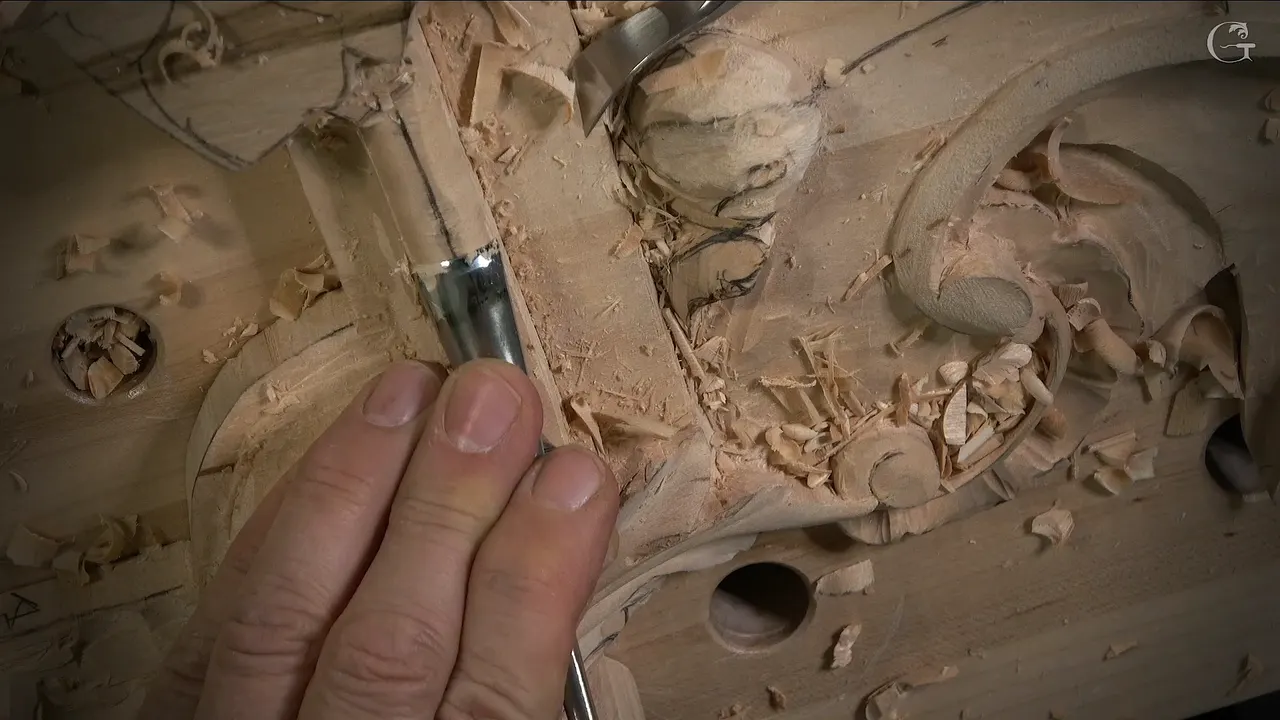
For the marking I said I could eyeball it, "but I have a really good helper tool." I said I could set my big chisel at the spot and just draw along it. A light tap would leave a line "for my future reference" (02:40-03:14).
How did I find out a line was wrong?
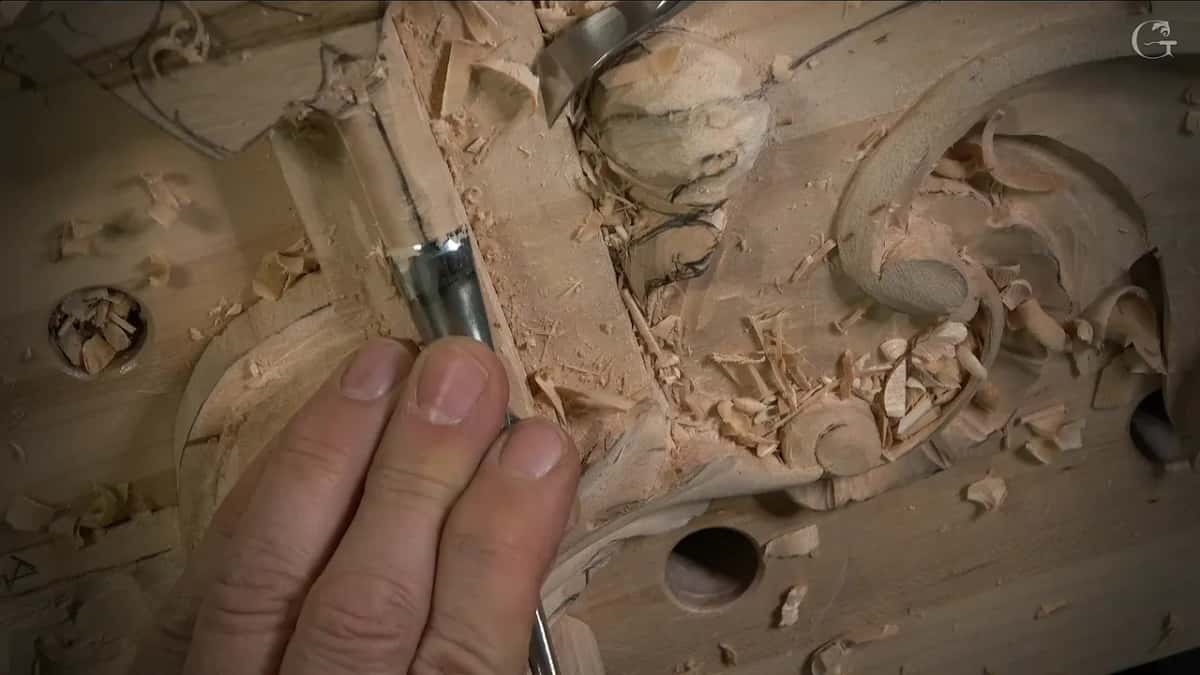
The double-check came next. The camera angle made it hard for you to judge, I said, "but for me, it also doesn't look like that. Something off a little bit" (03:14-03:33). I set the tool against the wall, made a mark and said, "Yes, I am off" (03:39-03:54).
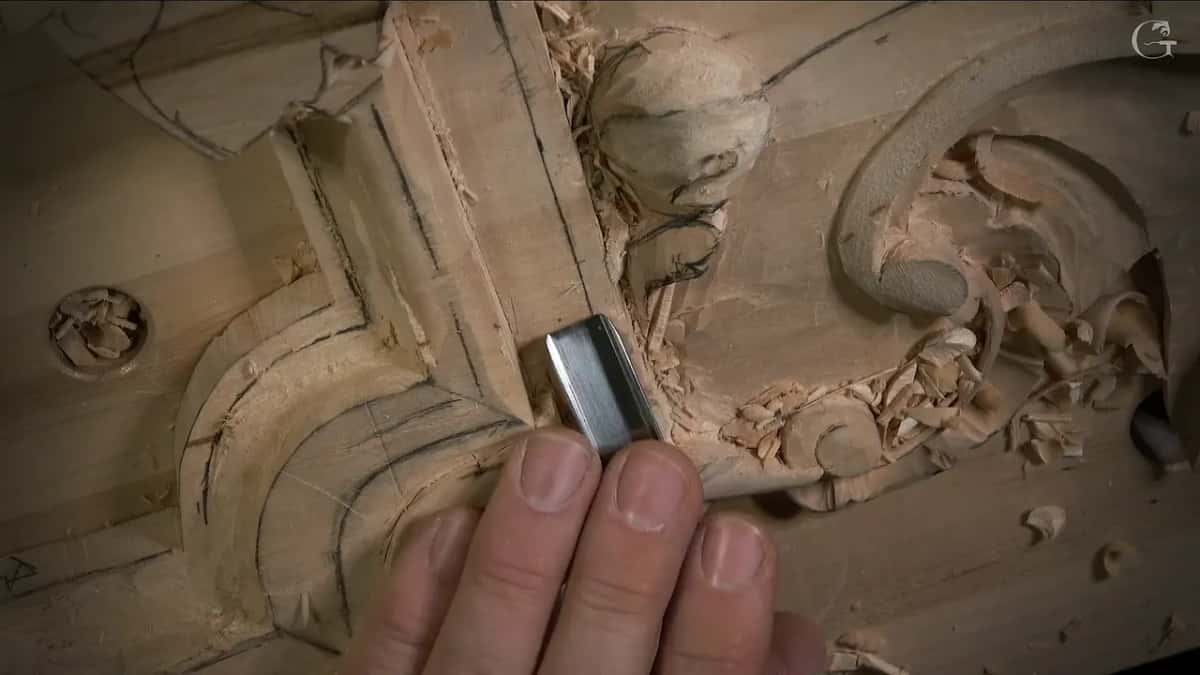
That told me something was wrong, not what. "I need to make sure what is off," I said, and I wondered about a caliper (03:54-04:15). Which side was it? "I hope I didn't mess up. I know it's not too late yet to fix it, but I still don't like to make mistakes" (04:19-04:37).
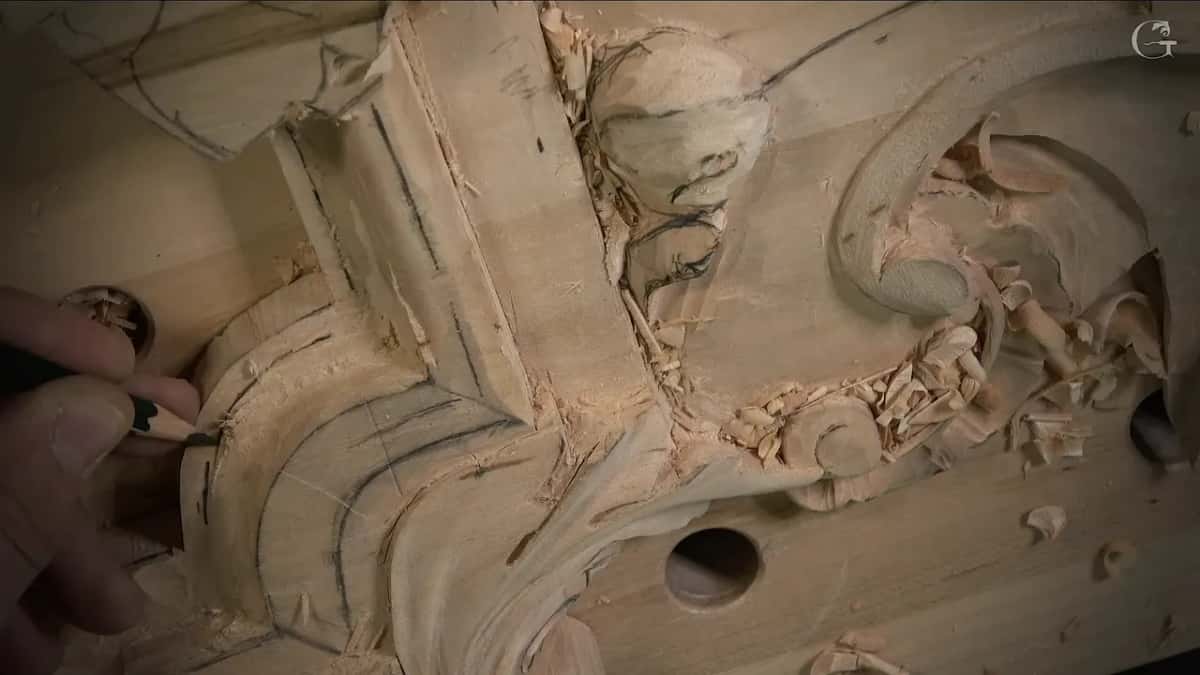
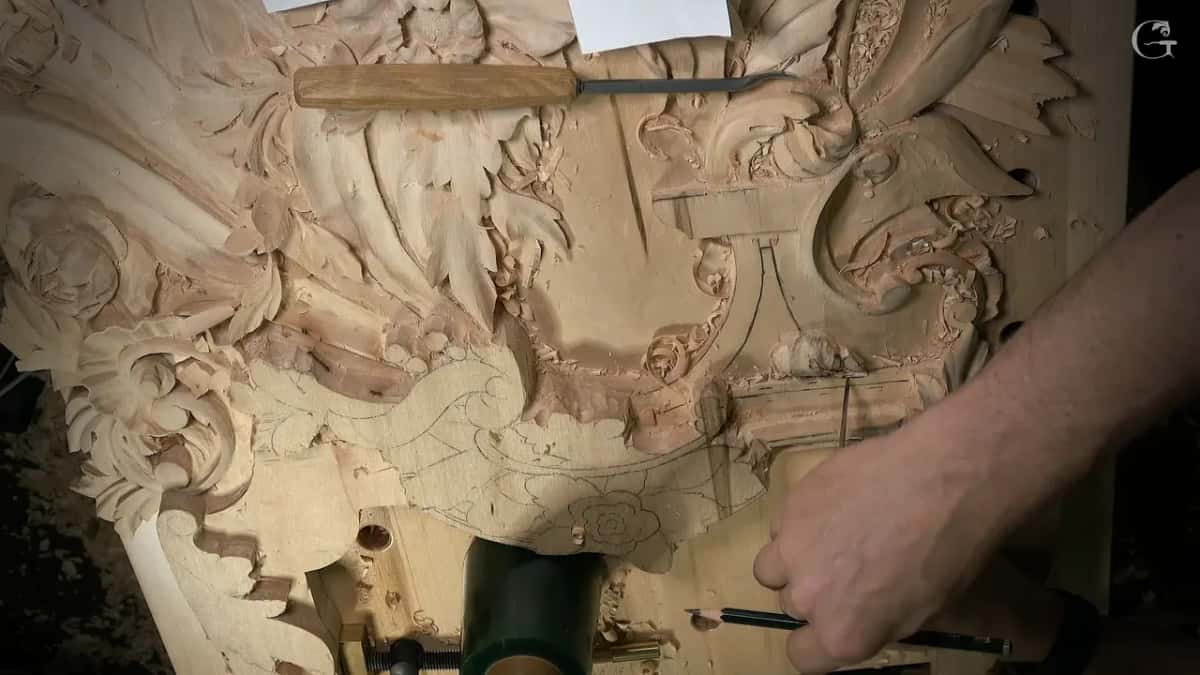
"This side is good," I said, and there was "actually a mark." The opposite side was "way off" (04:43-05:09). "I cut that, and I cut this," I told you, and then I could mark the opposite side right away. "Right there." Double-check, I said again (05:16-05:31).
Did the mistake cost me the molding?
That placed line was "no bueno," or "No good," as I put it. I told you, "I messed up, but not much," and then, "I messed up in my favor because I'm still able to take some material out" (05:35-05:57). Wood left to remove gave me room to fix it.
I placed my big gouge "and try to fix it" (06:01-06:14). That line had been "about 16th of an inch off" (about 1.6 mm), and "for the molding, it's big. That would be unforgivable mistake" (06:23-06:42).
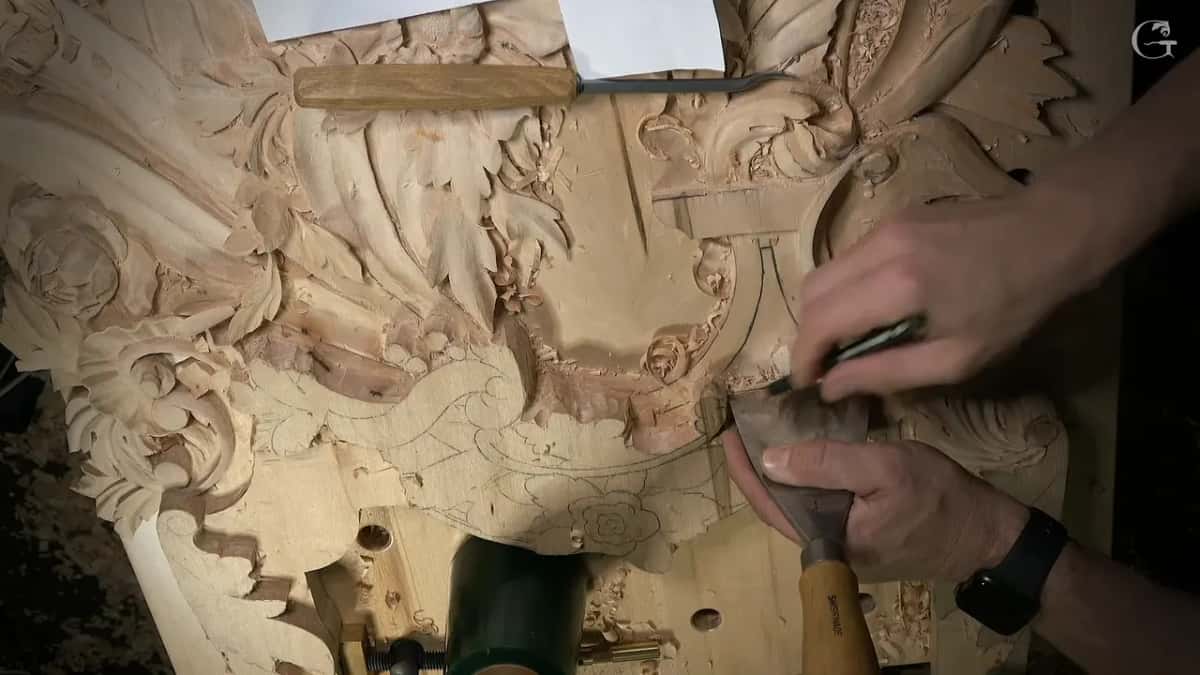
Then I checked again. "Double-check. Double-check. And yes, I am right on the line, right on the money" (06:48-07:03). Next job: "this molding, this bit, which is about quarter inch" (6 mm), placed "right here" (07:11-07:35).
Is double-checking the old rule of measure twice, cut once?
My grandpa said it. In Venice Room 1, part 1.6, I told you why I take my time. "From the first measurements, it's always really important. If you make mistake right now, even just the one millimeter, two millimeters, later on, it all adds up" (0.04 in and 0.08 in) (00:01:00-00:01:15).
Then came the list: "it's why I'm measuring, remeasuring, checking, double-checking, triple checking, seven times checking, okay? Like my grandpa said many times, 'Measure seven times, cut once.'" I called that "a really good wisdom" (00:01:15-00:01:39).
The same part holds a check I could not skip. I needed my cut at 90 degrees, so I said, "I have to check, double check if it's 90 degrees or not." If yes, I go right to the line. If not, I would stay away "maybe about eighth of an inch" (about 3 mm), and I would make a preliminary cut first (00:03:09-00:03:35).
Which tools back up my double-check?
A caliper comes out when the line matters, and lesson 154, first video, has an example. I took my big number one and called eyeballing possible, "although I really don't have to." Instead I checked with my calipers, and the caliper fell on my line, which I called "a perfect position" (00:01:02-00:01:39).
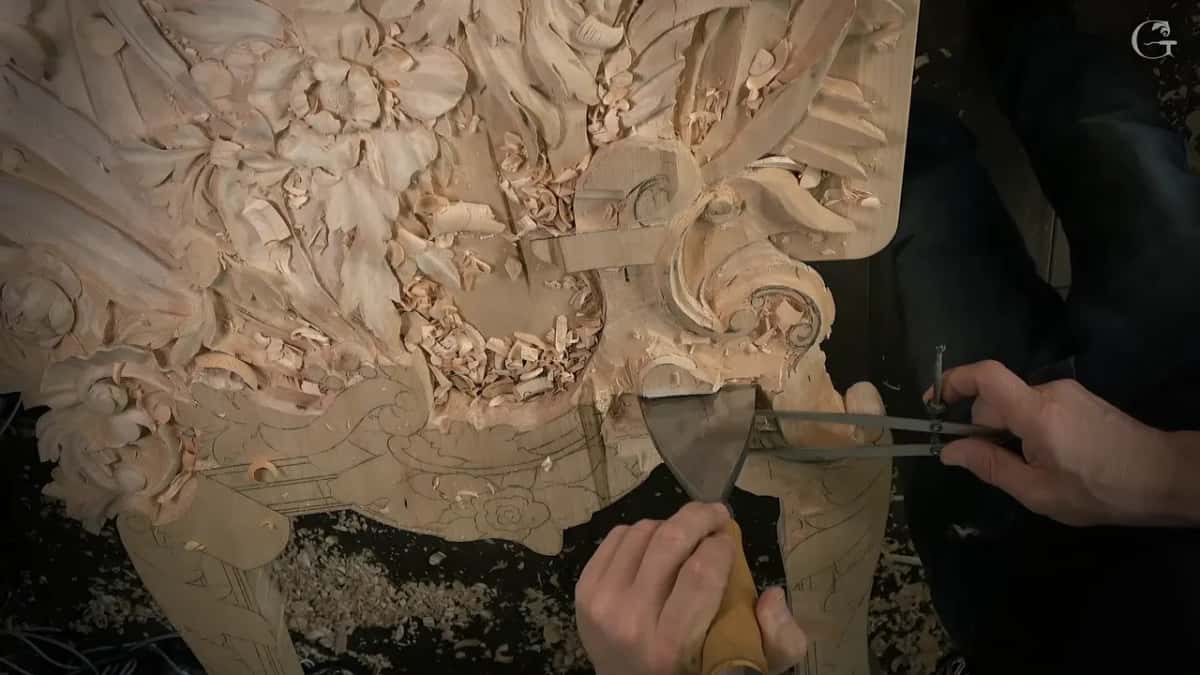
That way, I said, "I know I'm not going to be even one millimeter off" (0.04 in). I also said I hoped to be super accurate (00:01:39-00:01:51). The hope sits next to the check, and I say both.
Part 87.5 had me puzzled. After naming the final height, I said: "I have to double-check why is this one kind of little bit confusing even for myself today" (00:04:10). I figured an inch and a quarter or so to lower (about 32 mm), checked, and then said, "Well, I do have other calipers" (00:04:25-00:05:01). That was in Venice Room 87.
A second pair of calipers is a second opinion. I wanted to see if I would get the same result, and the number held. "About an inch I have to lower that down" (about 25 mm) (00:05:01-00:05:42).

In my antique style rosette course, workshop 1, I had 15 rosettes to make, and they "have to be all equal." My plan was to take my marking gauge, find my eighth of an inch (about 3 mm) and mark. "I can double-check. I want to make sure it's exactly one inch, and that for sure is" (about 25 mm) (00:05:45-00:06:15).
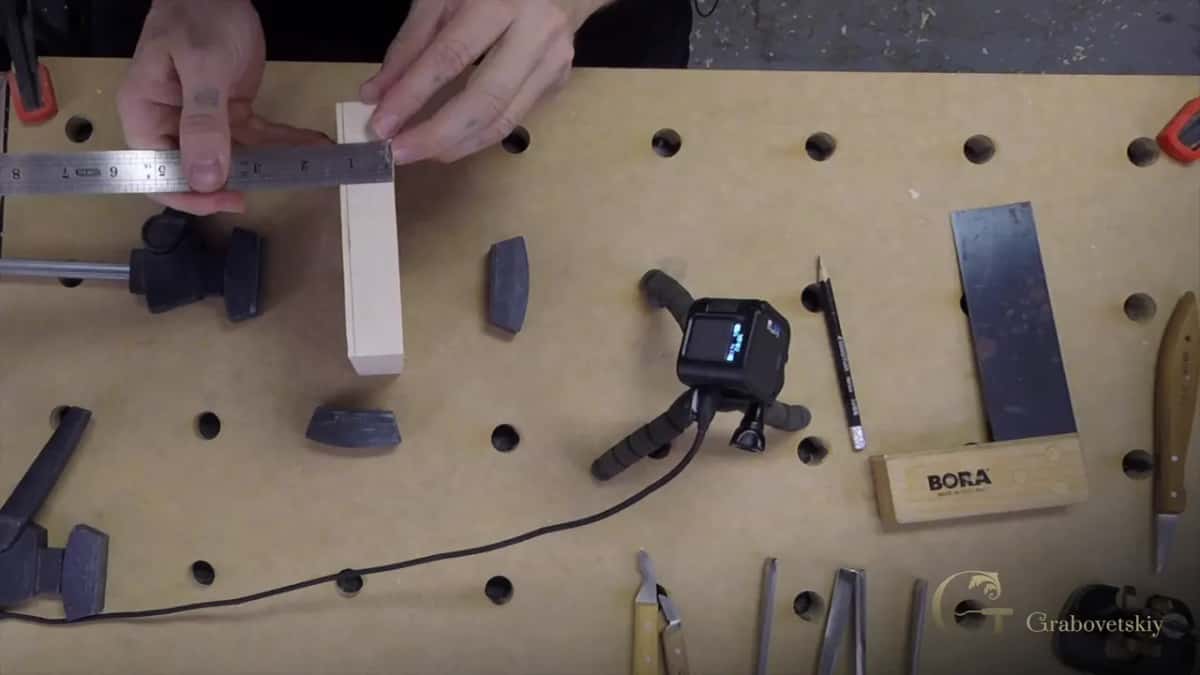
All four sides got marked, with maybe three passes to deepen the line (00:06:33-00:07:14). Late in the workshop I checked a depth: "exactly one-eighth of an inch deep. Let me double-check. And that, for sure, is exactly one-eighth of an inch deep" (3 mm) (00:31:01-00:31:16).
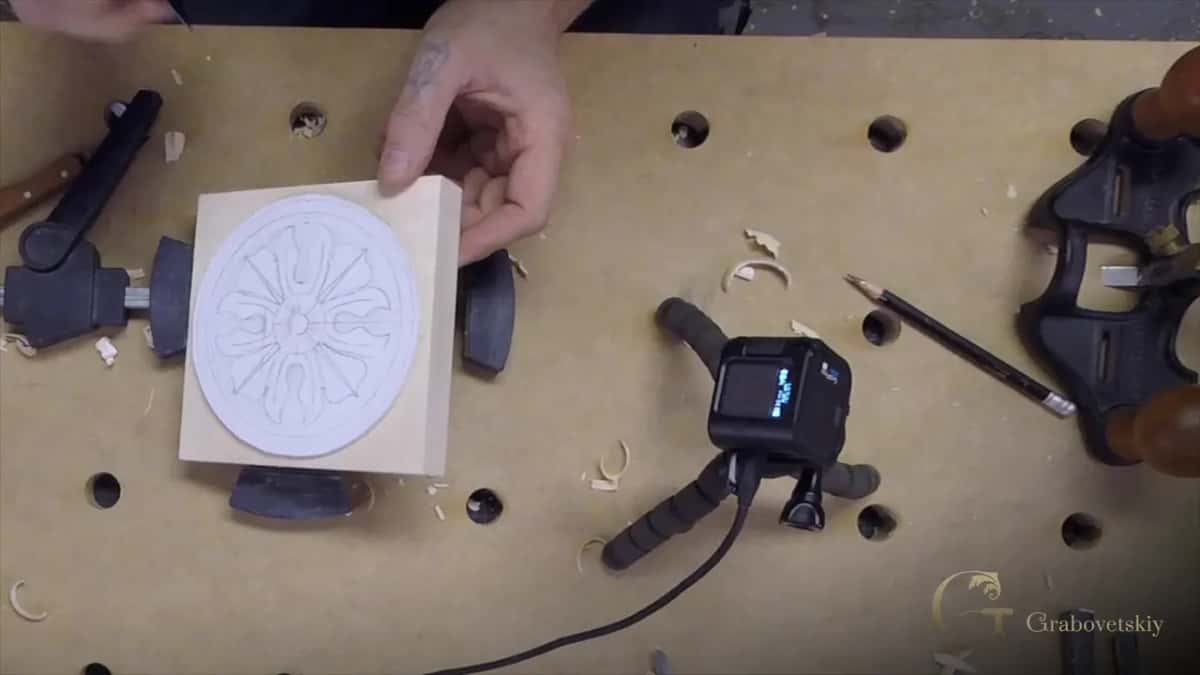
Floral and Molding lesson 2 has the plain version: "At least for me, I have to double-check. I made some mistakes previously." I took my pointing machine and measured the molding again, and the answer was "so no mistakes" (00:12:47-00:13:38).
My dining table apron course, workshop 4, shows a size read twice: "Three and 7/16 everywhere, that's my final size, double check, three and 7/16, yep" (about 87 mm). The pieces were 21 inches long (533 mm), and the thickness looked like 13/16 (about 21 mm) (00:03:22-00:05:03).
How much wood is left under the line?
A thickness check came up in Venice Room 16, part 16.3: "Let me double check how thick, and I've got probably about quarter inch left right there. Can't do no more" (6 mm). I said my excavation would go "to that line" (00:02:02-00:02:43).
Next in Hashemi Flowers lesson 41, I had a number 4, a quarter inch, "six millimeters." I told you, "And constantly, I have to check and double-check the thickness of the material on the backside" (00:04:44). A bit later I wiggled the tool a little because it was end grain, to make sure it would not split on me (00:05:35-00:05:47).
Lily Box lesson 12, part 12.6, shows a thin edge. I double-checked so the edge would not go "paper thin." I love paper thin work "if it's going to be just on the wall," I said, and I still needed "some thickness at the edge" (00:14:41-00:15:12).
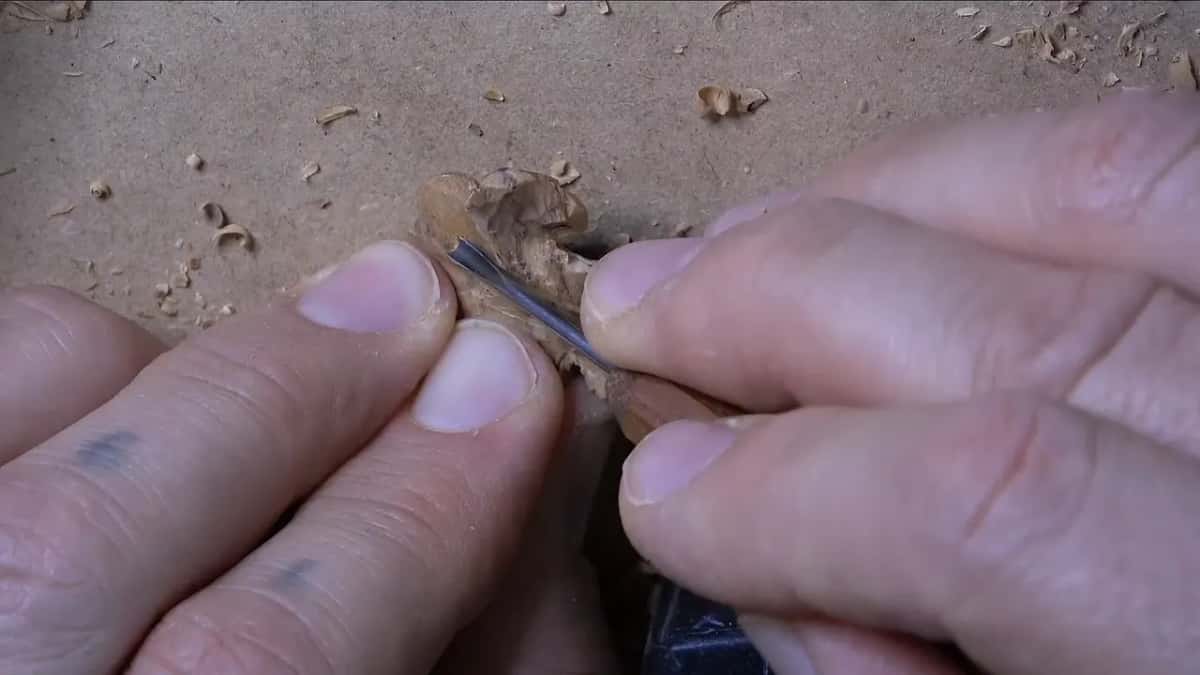
In Lily Box lesson 11, part 11.7, a whole section could go. "I don't need that," I said, then double-checked it because "I don't want to make mistake." The only connection I would leave was between two pieces at the top (00:07:42-00:08:06).
Depth shows up in Furniture Panel 16, part 16.12. I fit my router plane for most of the final depth and said, "Let me double-check. I am pretty close. A little too high." I had left a lot of material on purpose, so I would not make a mistake. At the end: "Double check. And yes, I'm at the final destination" (00:05:27-00:05:56, 00:09:23).
A trap sits in Furniture Panel 19, part 19.13. When a router plane attacks from both sides, it "creates the hill right in the middle." It is "a good idea to just double-check if you do have that hill or not, and if you do, just clean it" (00:03:10-00:03:36). Both lessons sit on the furniture panel course page.
Can the eye double-check a curve?
A curve or a distance needs no tool, only another angle. Over in Venice Room 5, part 5.3, I said, "The distance right here has to be approximately equal everywhere, which is not the case right here" (00:04:54). Then it was "close," and the lip part had to match too (00:05:21-00:05:49).
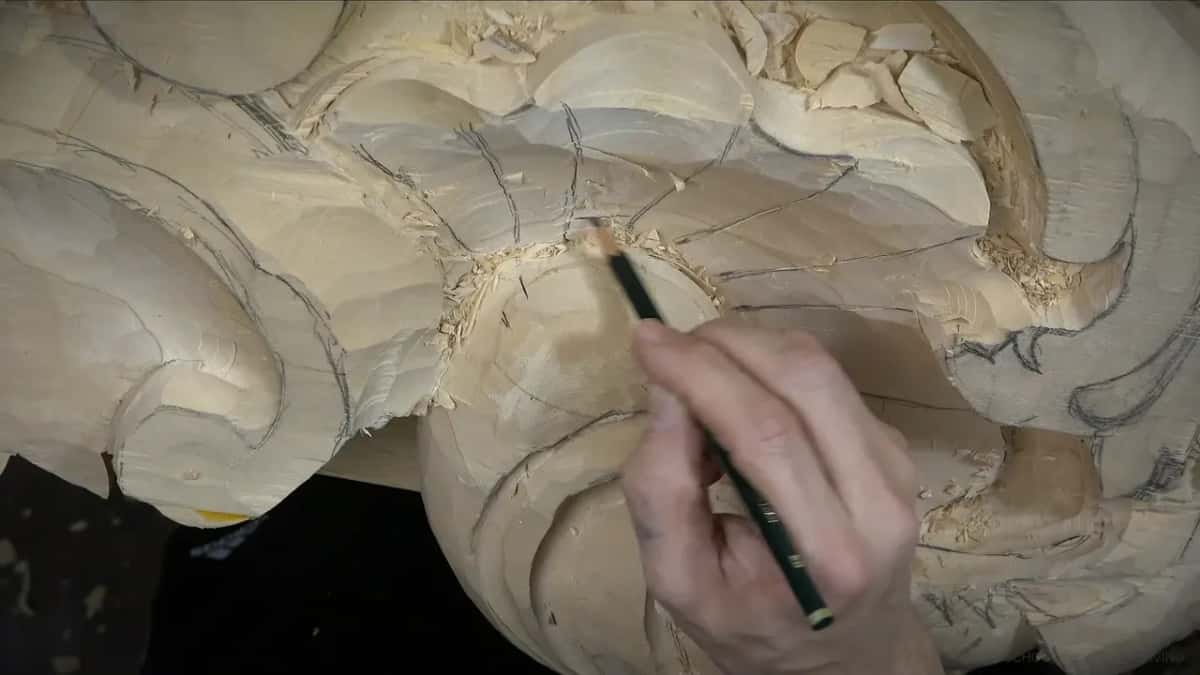
Part 31.9, in Venice Room 31, was about a gradual movement. I wanted the line "really nice and gradual," I said, "and that's why I'm checking and double-checking from different points of view." If needed, I would attack it again until I was really happy (00:05:21-00:05:54). More of it sits in lesson 31.
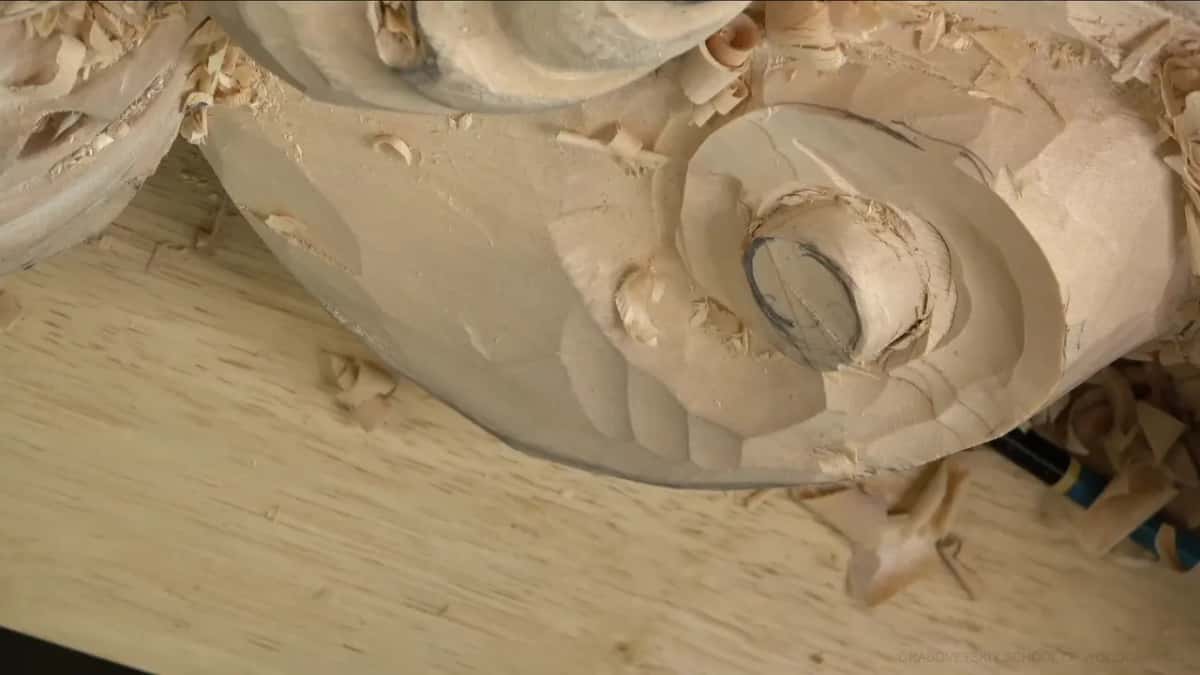
A failed spot turned up in Venice Room 46, part 46.5: "Right here is not too gradual. So that's why I have to double check. It's got to be gradual all the way." A rasp on that edge was "not bad idea at all," and then it "does look like it's gradual" (00:03:21-00:04:39).
Over in Venice Room 126, part 126.3, I checked my plan against my iPad drawing and saw I could make a mistake. "It has to just curl this way. Not a mistake, but it's a good idea to double-check. And I'm glad I did" (00:05:06-00:05:46).
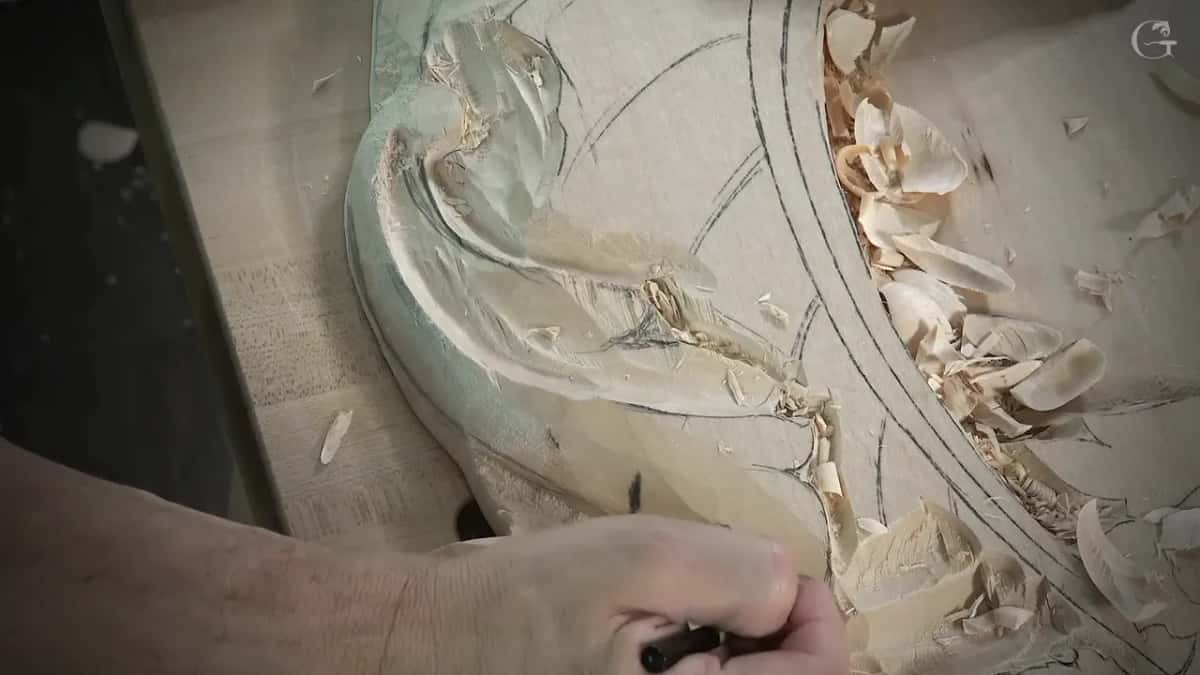
The shell in 154.2 was something I wanted to keep. I needed to "double-check where's my shell going," and I added, "Maybe I made a mistake. Who knows?" The answer: "No, I did not make mistake. Okay? Everything is good" (00:01:06-00:01:20).
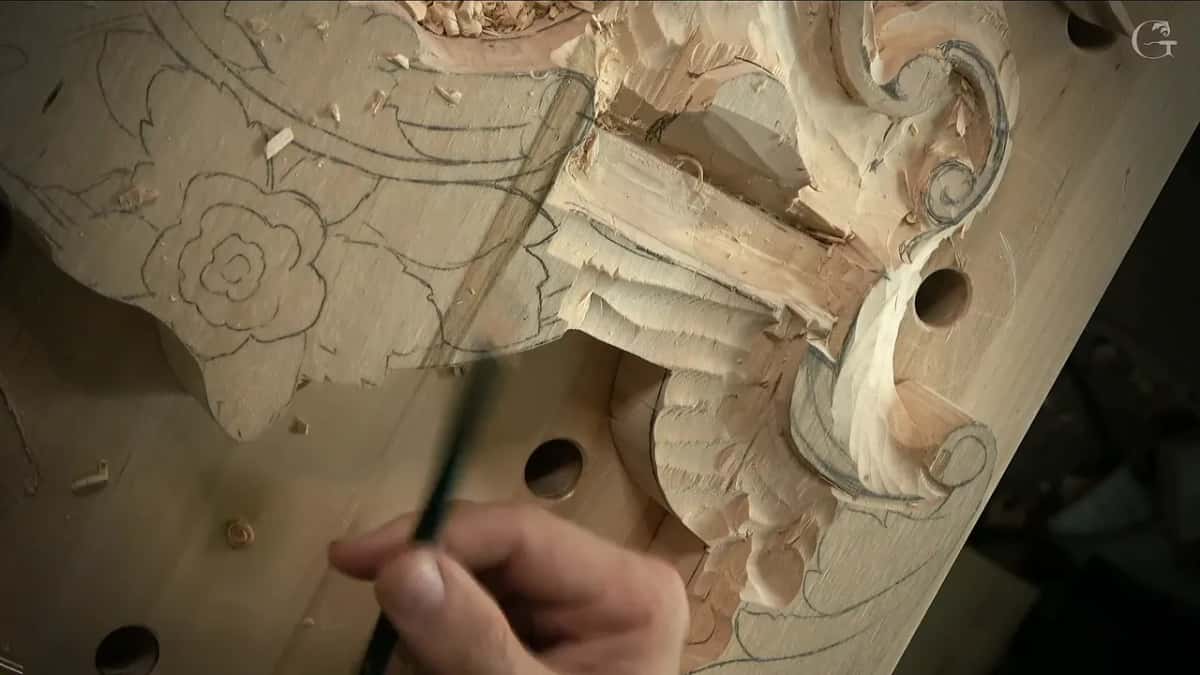
The reason in Venice Room 89, part 89.8, for checking just then was this: "Because of the area I'm working." I pointed at a water mark in the wood, one anyone who has carved basswood for a while would know, I said (00:05:24-00:05:51).
Is a double-check ever a waste of time?
Late is possible, and I say so. Take lesson 70, part 70.3: "I'm double-checking if I'm not making mistake." It looked fine, and then I added, "if I'm not okay with this moment, it's too late anyway" (00:01:51-00:02:06).
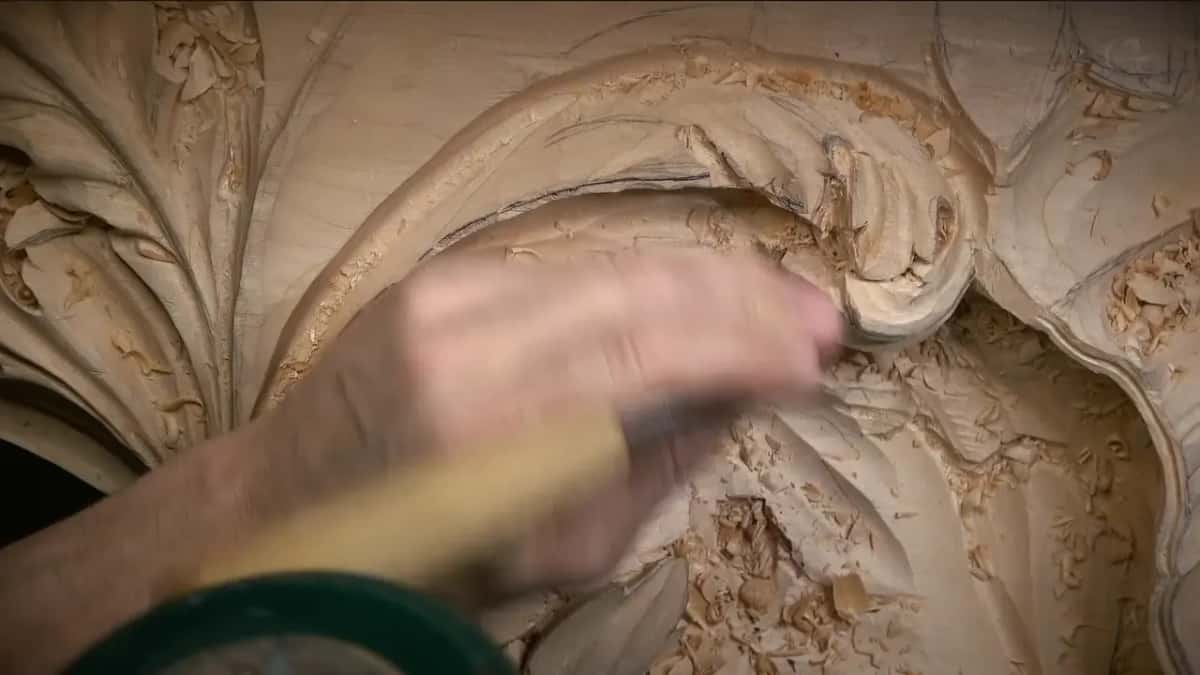
Furniture Panel 38, part 38.1, has the same thought from another side. I used the corner of a tool to get close to my straight cut, "but double check anyway." I asked what the reason was "if it's already too late," and said, "Yeah, it's the same depth" (00:24:23-00:24:48).
I knew the depth matched because "I actually did not take any material, on purpose," and I added that I knew I would need to measure it (00:24:48-00:25:17). Earlier in that part I had said it another way: "I'm about the same level right now with this, but I have to double check" (00:07:15). Both clips live in lesson 38.
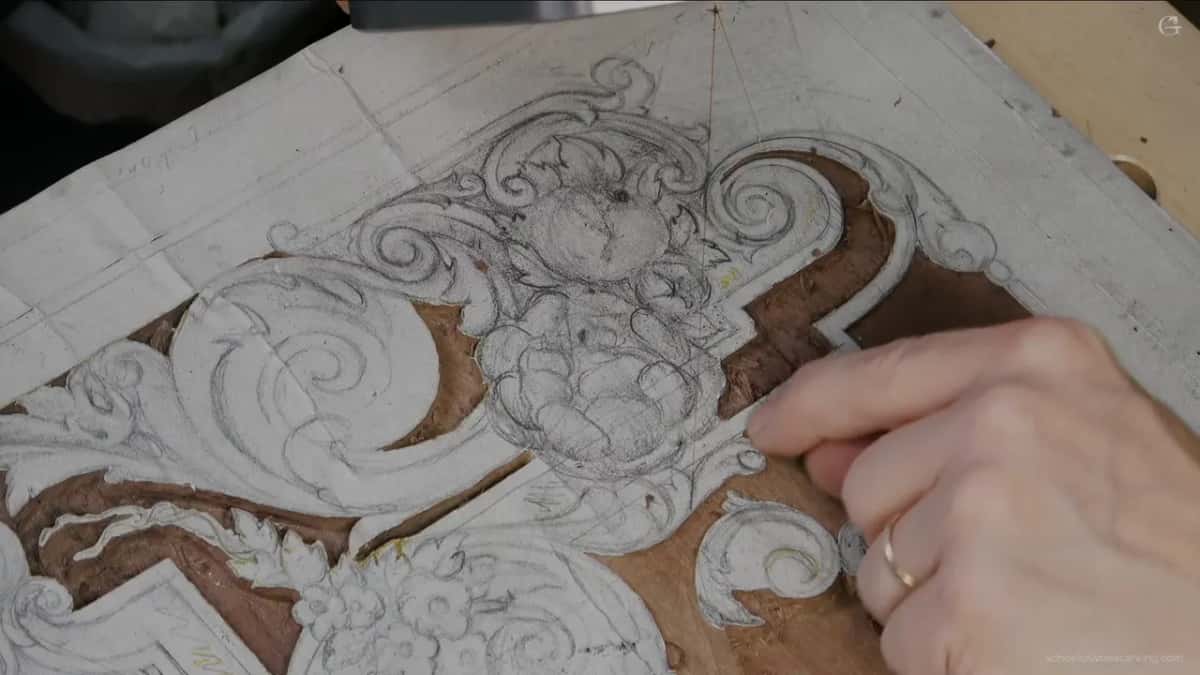
A rough check can be the right one. In Hazelnuts lesson 2, part 2-1, I said, "Just double check, double check, and double check. Okay. Like I said, it doesn't have to be exact because I'm still going to remove the most of the chunks." I only needed to see where hazelnuts and leaves would land (00:06:21-00:06:49).
I even asked you, "please don't try to be exact, okay?" Most of it would come out anyway (00:07:22-00:07:47). Later I called it fine to "safely remove all that extra excess material," but again, "double-check, double-check," because I did not want to remove too much (00:08:48-00:09:02).
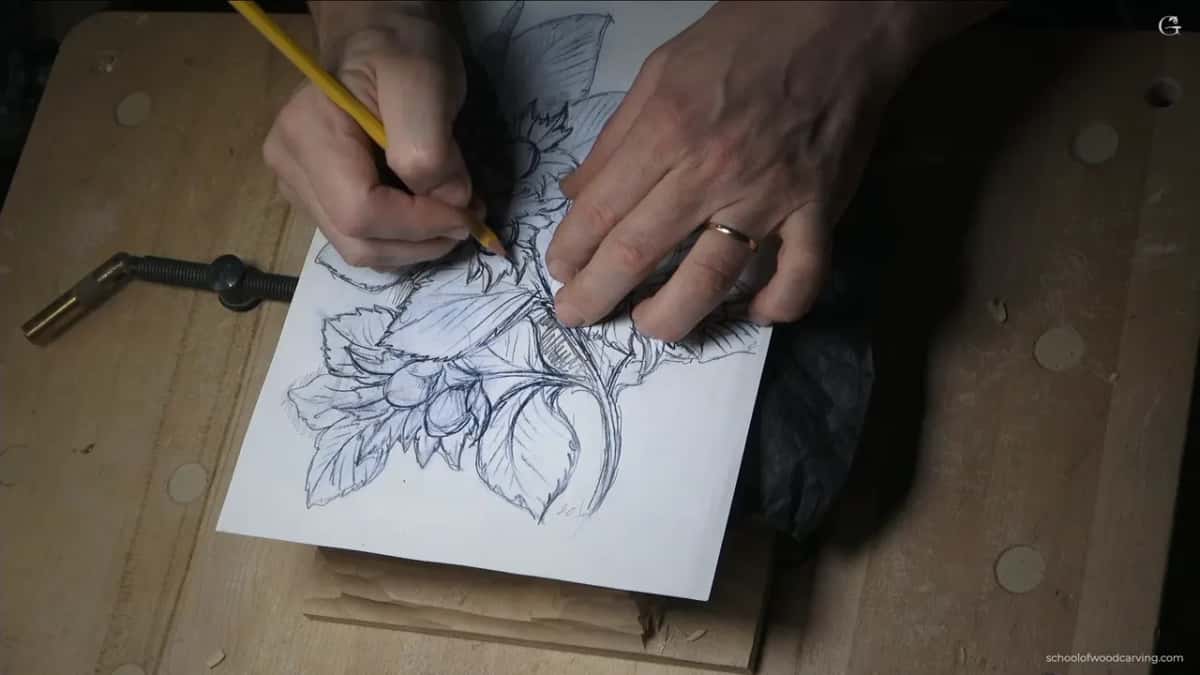
The Tray of Blessing, lesson 6, part 6.2, shows a near miss: "I don't want to lose my first one, okay? I have almost made a mistake, so I gotta check that multiple times" (00:09:08-00:09:21).
In Greek Acroterion lesson 4, part 4.2, I wondered about a number 5, found "that is too big," and said, "Take a smaller one." It was "still a little too big," and I decided on a knife, which would be "much quicker" (00:05:12-00:05:46).
In Plate with Butterflies lesson 1, I said I would stay away from the edge by about a millimeter (a hair under 1/16 in), in case I was "not perfectly in a center." All of the sides got a look, and I was not in a true center (00:09:40-00:09:53).
Where did those checks lead?
| Where | Check | Result |
|---|---|---|
| This part, 160-2 | Placed line looked wrong, so I measured | One side was right, one off |
| Grandpa's rule, 1.6 | Checked for ninety degrees before the cut | Square meant going right to line |
| Calipers, Venice 154 | Calipers laid on the big number one | The caliper matched the line exactly |
| Rosette workshop 1 | Marking gauge marks for fifteen equal rosettes | The check read exactly one inch |
| Thickness, Venice 16 | Checked how thick the wood was there | About a quarter inch was left |
| Lily Box 12 | Looked at an edge near paper thin | Some thickness stayed at the edge |
| Panel lesson 38 | Compared the new cut with the old | Both cuts sat at one depth |
Which course holds the lessons I just quoted from above?
This part, 160-2, belongs to Advanced Carving: Venice Room, Part 14, Workshops 156 to 163, and the other two videos of lesson 160 carry their own work. The craft is wood carving, a branch of woodworking, and in these clips my main tools are a gouge and a chisel.
The checks use calipers, a marking gauge, a router plane and my own eye. A molding sits at the center of 160-2, and my sizes come in millimeters and inches. A rasp shows up once in the lessons above.

Most of those checks came right ahead of my next cut, and a few caught a slip. Look at your own line, at the wood under it and at the next level, the way I did, and then pick up your gouge.
How it's done
- Place the line. My big chisel showed me the place, and a light tap left a line for later.
- Notice what looks off. Something looked off, so I placed a tool by the wall, made a mark and looked again.
- Find which side is off. A caliper came up as my plan, and one side sat on the line while the opposite side was way off.
- Check the far side. I marked the far side right away, and it matched.
- Fix with the wood left. The big gouge did the fixing, because wood was still there to take out.
- Check again. Two more checks showed me on the line before I moved on.
Frequently asked questions
What did you double-check in Venice Room 160-2?
That placed line looked wrong, so I laid a tool by the wall, put a mark by it and checked each side. One side was on the line. The other side missed by a good bit. I placed my big gouge to fix it and said I was about a sixteenth of an inch (1.6 mm) off.
Is a double-check the same as measure twice, cut once?
My grandpa put it as measure seven times, cut once, and I quote him in Venice Room 1.6. On his list I put measuring, remeasuring, double-checking and triple checking, because small mistakes add up.
What tools do you use to double-check a line?
Calipers on the line in Venice Room 154, a marking gauge for 15 rosettes, a pointing machine on a molding, and a router plane for the final depth. The pencil and my eye do part of the job too, as the lessons above show.
What to carve next